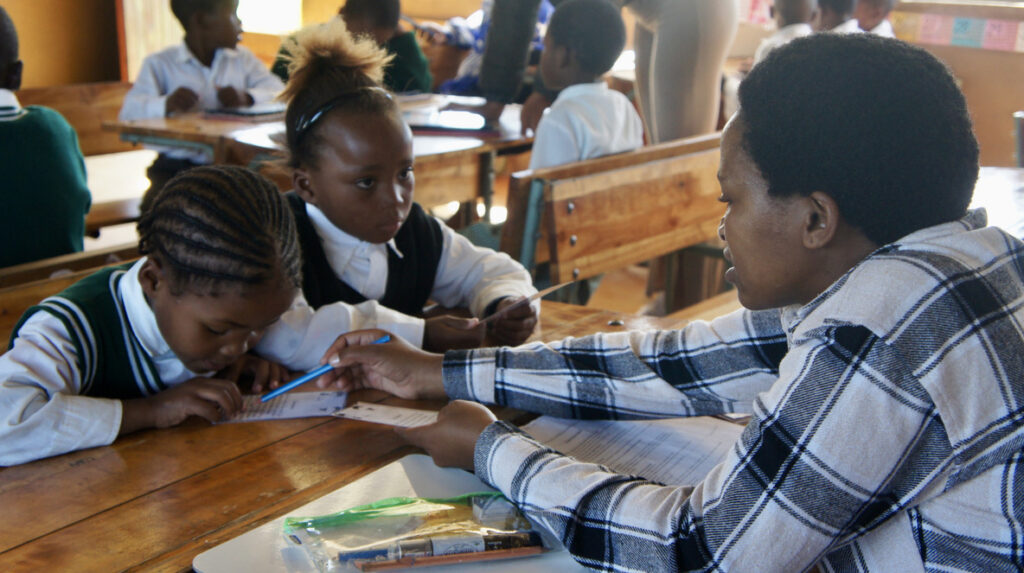
Research shows that children acquire literacy skills more quickly and effectively if taught in their mother tongue. Importantly, the literacy and comprehension skills a child learns in their mother tongue are transferable to any other language they learn later. This means that to build a strong foundation in literacy, a child must learn to read in their language.
Since 2012, we have implemented our iiTablet Tshomiz programme, a supplemental mathematics and literacy initiative at our government primary schools to address the learning gaps. As a place-based organisation, we do not have all the answers, but we try different solutions and know well which ones work and which do not. In our experience, using online literacy programs, which are only available in English, has proven challenging. Over the years, we have tried many different approaches to improving literacy, however, they have not met the outcomes we wish to see in our learners. So we have switched it up again.
This year, we have started implementing Nobalisa, a literacy project developed by Axium Education. It focuses on foundational literacy for learners in Grades R-3 in isiXhosa. Nobalisa is run during the school day in our iiTablet Tshomiz programme and provides one extra hour of literacy for learners each week. Facilitators, rather than teachers, guide the learners through lessons using the Teaching at the Right Level (TaRL) pedagogy. This methodology groups learners according to their understanding, allowing facilitators to provide targeted support.
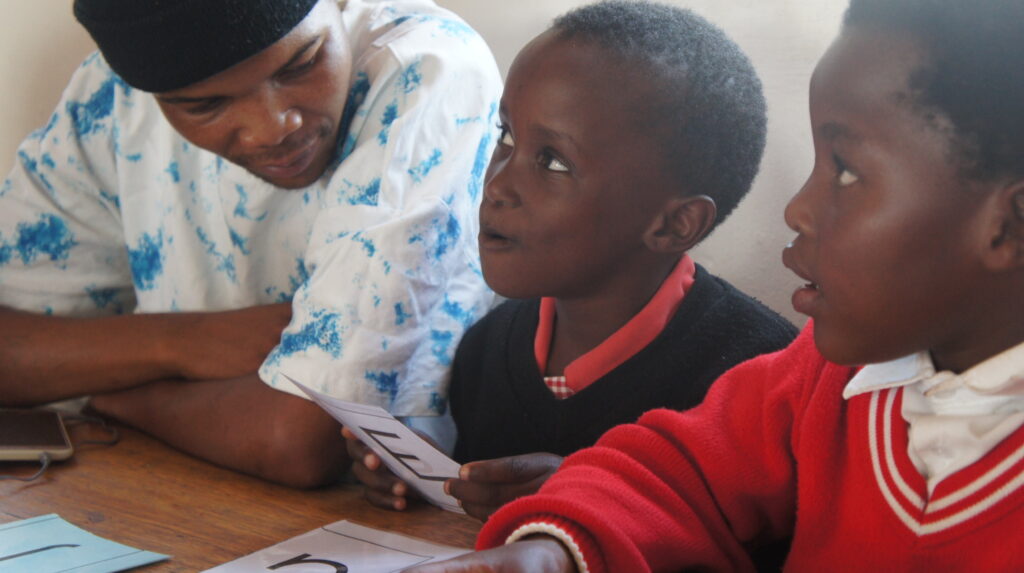
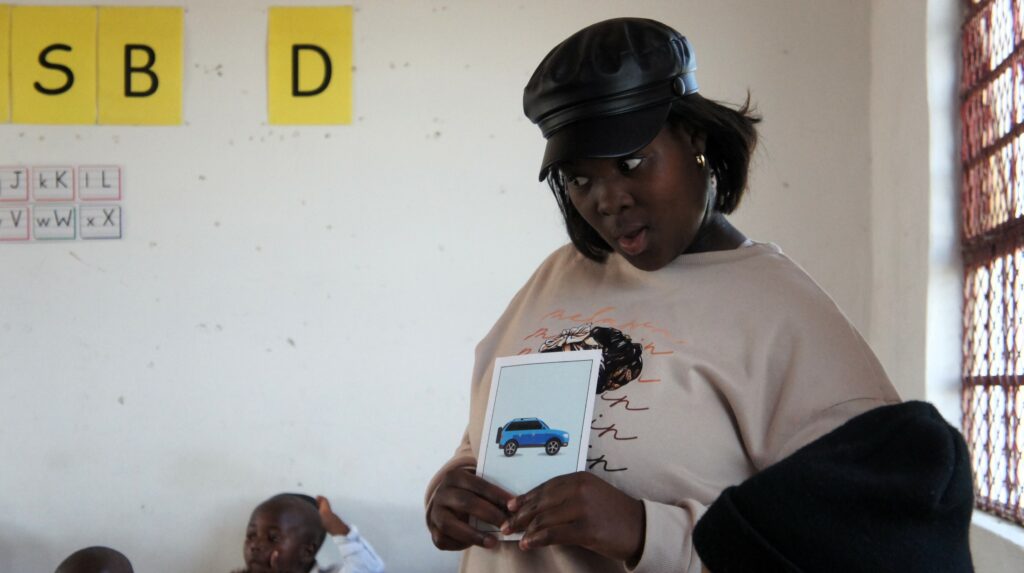
Since its launch, Nobalisa has been warmly received by both facilitators and learners. The programme’s focus on isiXhosa instruction has allowed facilitators to concentrate on building literacy skills without the added complexity of translating content or teaching a new language. This has made learning more engaging and enjoyable for the children. A teacher at Xhora Mouth JSS, gave us early feedback that she has already seen noticeable improvements in her learners’ literacy skills. Facilitators also report higher satisfaction with this approach compared to previous methods.
As we continue to track the performance of our learners, we are optimistic about the long-term impact of Nobalisa. The initial feedback and excitement surrounding the programme are promising indicators of its potential to improve literacy outcomes in our community. By building strong literacy foundations in isiXhosa, we are enhancing educational outcomes so that all our children can achieve their full potential.